
NEWS & DEVELOPMENTS
The UK Government published its response to the Supported Housing consultation, outlining a new licensing regime for supported exempt accommodation.
The regime will cover most providers, with exemptions for specific types of accommodation. Licensing will be based on six standards, including person-centred support and safeguarding, and will be linked to Housing Benefit entitlement.
After a long wait, the UK Government published its response to the Supported Housing (Regulatory Oversight) Act consultation on 16 April 2026. So we've now got a much clearer picture of what's coming.
The good news? The government has clearly listened to the sector. A lot of the sharper edges from the original consultation have been softened, and the regime that's emerging looks more proportionate and more workable than what was first proposed. But it's still a significant change, and it will affect the vast majority of supported housing providers in England.
Who needs a licence?
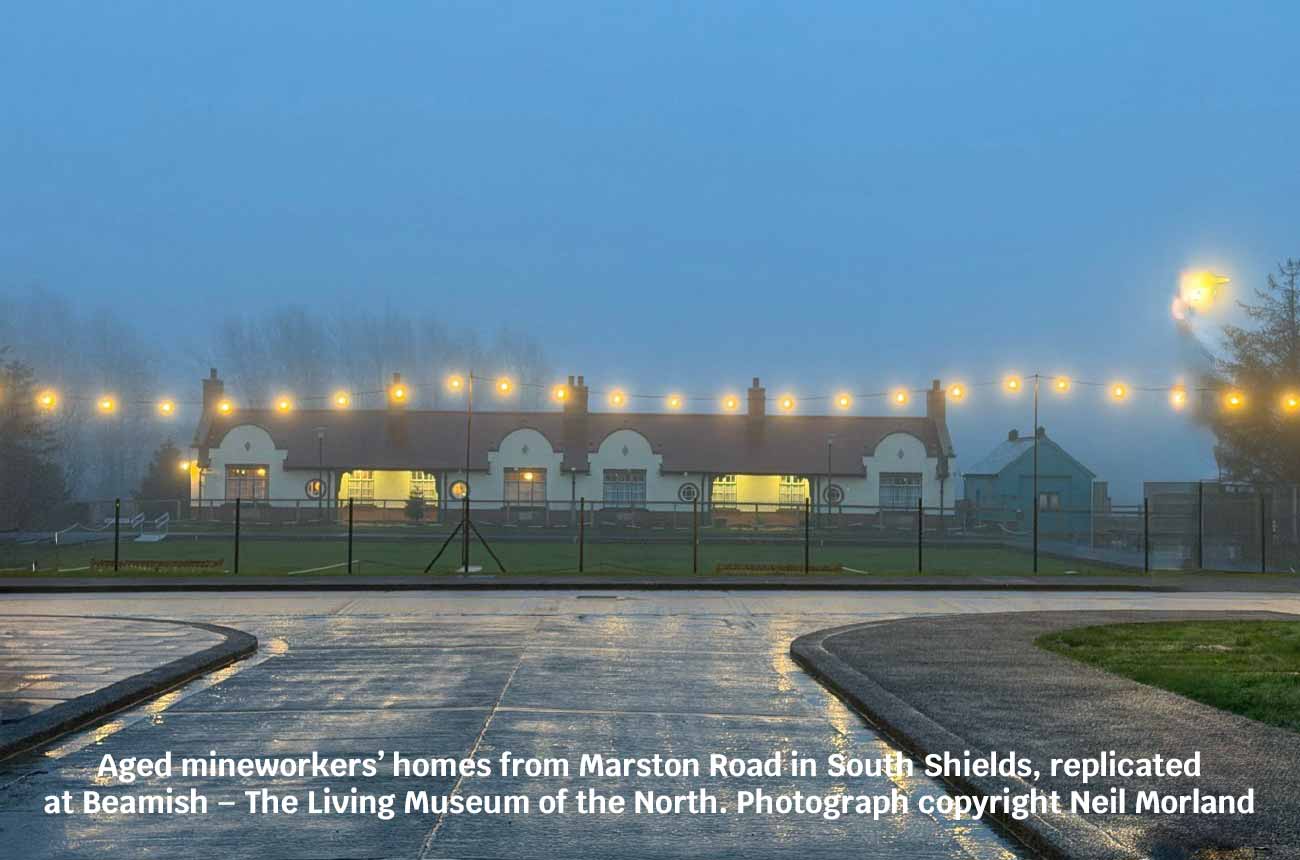
Almost everyone. The regime will cover all supported exempt accommodation where residents can claim Housing Benefit but the exemption list has grown considerably. If you're providing CAS2 accommodation, Ofsted-registered services for under-25s, local authority-managed accommodation with commissioned support, commissioned domestic abuse services, some CQC registered services that don’t meet the definition of supported housing, regulated over-55s housing (including Extra Care), or almshouses, you won't need a licence.
Commissioned services sit in an interesting middle ground, you'll still need a licence, but you won't have to evidence the National Supported Housing Standards yourself. Your commissioner will be expected to commission to those standards instead.
How will licensing work?
Originally, the proposal was a licence per scheme, essentially per postal address. For anyone running dispersed accommodation, that was a headache waiting to happen. The government has listened, and instead you'll apply for a single licence per licensing district, listing all your properties on one application. And there won’t be any local discretion on standards or conditions, so all local authorities will be licensing on the same basis. Much more manageable, particularly if you operate across multiple areas.
The licence holder will be the person "managing or in control of" the accommodation. Where there's a landlord, a managing agent, and a commissioned support provider all involved, the government expects organisations to agree between themselves who holds the licence, with the managing agent often being the most appropriate person if they're running the day-to-day. If you're not sure, the advice is to talk to the licensing authority.
What about the standards?
The National Supported Housing Standards have been refined following consultation feedback. There are now six (the Responsible Person standard has been dropped as it duplicates the expanded Fit and Proper Person Test arrangements). The remaining standards are: Person-centred support, Empowerment, Environment, Staff and Safeguarding, Local Need, and Statement of Purpose.
If you're delivering a good quality service, you should be able to meet these, but evidencing them will take some work. Support plans, needs assessments, safeguarding policies, staff training records, complaints procedures, DBS checks, a statement of purpose - all of this needs to be in place, documented, and demonstrable. The standards have been adjusted so that support providers can evidence them in full without needing to account for things that sit with the landlord, which is a helpful clarification for services where the housing and support are delivered by different organisations.
The Local Need standard is worth flagging specifically. It won't apply until local authority supported housing strategies are published (deadline: March 2027), but once it does, providers will need to show how their scheme reflects locally identified need and how they've consulted with local partners. This isn't a local connection test for residents but it is about demonstrating that your service is wanted and needed where it operates.
The Fit and Proper Person Test
This has been beefed up. The original proposal was based on the HMO licensing test, but the government has moved to align it with CQC and Ofsted equivalents instead. It now covers the licence holder, the board of directors (with a nominated individual), and partners. On top of that, there's a new licensing condition requiring licence holders to assure themselves that their Service Managers, the people running schemes day-to-day, are suitable for the role. Lived experience won't be a barrier, but you'll need to be able to demonstrate that the right people are in the right roles.
Housing Benefit
As expected, Housing Benefit entitlement will be linked to licensing in England. No licence (and no valid exemption) means residents won't be eligible for Enhanced Housing Benefit. That's the enforcement lever that gives the whole regime its teeth.
The government has decided not to pursue a new definition of "care, support or supervision" in Housing Benefit regulations for now, so the existing case law threshold continues to apply. They've also decided not to link HB to regulatory frameworks in Scotland or Wales.
Planning
No new planning use class for supported housing at this stage. The government will review this after three years of licensing being in operation.
So what's the timeline?
MHCLG expects to consult on draft regulations in late 2026, with regulations laid in Parliament after that. Realistically, licensing won't commence before mid-2027 at the earliest, and there may well be a phased rollout or pilot period.
The one exception is the local supported housing strategy duty, statutory guidance is already published and local authorities need to have their strategies in place by March 2027. That work is happening now.
What should you be doing?
It might feel like there's time, and technically there is, but the providers who'll find licensing easiest are the ones who start preparing now. Even without the final regulations, the consultation response gives you a clear enough picture to start getting your house in order.
That means:
None of this is wasted effort. Even if the regulations shift again when the draft is consulted on later this year, the fundamentals of what "good" looks like are clear. And the reality is that the providers who can demonstrate quality now will have the smoothest journey through licensing when it arrives.
If any of this feels daunting, or you'd just like a sounding board on what it means for your specific service, do get in touch, this is exactly the kind of work we do with providers and local authorities across the country.
